


Gongzheng
Gongzheng
Gongzheng
Gongzheng
Gongzheng
Gongzheng
Gongzheng
Gongzheng
Gongzheng
Gongzheng
Gongzheng
Gongzheng
Gongzheng
Gongzheng
Gongzheng
Gongzheng


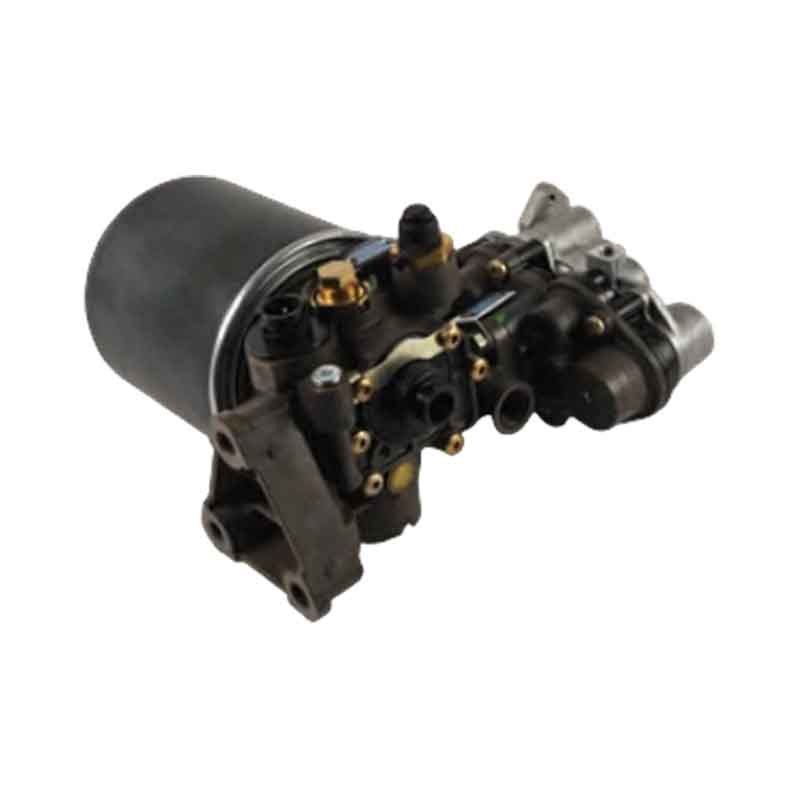
De luchtdrogerfilter is een van de belangrijkste componenten in het persluchtsysteem. De belangrijkste functie is het verwijderen van vocht, olie en andere onzuiverheden uit de perslucht om de lucht droog en schoon te houden. Om efficiënte filterprestaties te garanderen, gebruiken luchtdrogerfilters een verscheidenheid aan verschillende materialen. Deze materialen moeten niet alleen uitstekende filtereigenschappen hebben, maar ook duurzaam, zuinig en gemakkelijk te onderhouden zijn.
Gebruikelijke filtermaterialen voor luchtdrogers
Actieve kool
Actieve kool is one of the commonly used adsorption materials in air dryer filters. Its surface has a large number of tiny pores, which can effectively adsorb moisture, oil mist and other particles. Activated carbon filter elements perform well in removing oil, gas and moisture, and are especially suitable for compressed air systems that require high cleanliness. During use, activated carbon can firmly fix pollutants on its surface through physical adsorption, thereby ensuring dry and clean air.
Synthetische vezels
Synthetische vezels material is a high-efficiency filter material that is widely used in air dryer filter elements. Synthetic fiber not only has high filtering accuracy, but also can maintain good filtering effect under large air flow. Common synthetic fiber materials include polyester, polypropylene, etc. These materials are effective in removing moisture and oil, and are particularly suitable for working environments with high humidity and high oil mist. Synthetic fiber filter elements have a long service life and are easy to clean and maintain.
Roestvrij staaldraadgaas
Roestvrij staaldraadgaas filter elements are simple and durable filter elements suitable for harsh working conditions. Its advantages are high temperature resistance, corrosion resistance, and strong pressure resistance, so it can adapt to various high temperature and harsh working environments. Stainless steel wire mesh filter elements can filter large particles and impurities, and are often used in air filtration systems that require higher precision. In addition, due to the special nature of stainless steel, its filter element has a long service life and is easy to maintain.
Keramisch materiaal
Keramisch materiaal filter elements are usually used in high-precision air drying and filtering applications. Ceramic materials themselves have excellent chemical stability and can maintain their performance in high temperature environments. Therefore, they are often used in special industrial applications such as aerospace, chemical industry and other fields. The advantages of ceramic filter elements are strong corrosion resistance, ability to withstand extreme working conditions, and good mechanical strength, which can effectively prevent particles and moisture in compressed air from entering the system.
Niet-geweven stof
Niet-geweven stof is a filter material made of fiber or textile by hot pressing, chemical bonding, etc. It has good filtering performance and can work continuously under high flow conditions. Non-woven filter elements are usually used in medium and low precision air dryer systems, especially in applications that do not require extremely high filtering accuracy. The filtering capacity of non-woven fabrics is affected by its density and structure, and it has a high cost-effectiveness and is suitable for long-term use.
Selectie van materiaal voor het filterelement van de luchtdroger
Het kiezen van het juiste filterelementmateriaal kan niet alleen de efficiëntie van de luchtdroger verbeteren, maar ook de levensduur van de apparatuur verlengen. Filterelementen van verschillende materialen hebben verschillende filtereffecten en toepasselijke gelegenheden, dus ze moeten worden geselecteerd op basis van specifieke behoeften.
Hoge precisie-eisen: Als het systeem een hogere luchtzuiverheid vereist, wordt het meestal aanbevolen om actieve kool, keramische materialen of synthetische vezelfilterelementen te gebruiken. Deze materialen hebben een sterke adsorptie- en filternauwkeurigheid en kunnen kleine olienevel en vocht uit de lucht verwijderen.
Hoge debietvereisten: Voor persluchtsystemen met een groot debiet wordt het gebruik van filterelementen van synthetische vezels of roestvrij staal aanbevolen. Deze materialen kunnen nog steeds goede filtereffecten behouden bij een grote luchtstroom en zullen geen overmatige drukval veroorzaken, waardoor de normale werking van het systeem wordt gegarandeerd.
Extreme omgevingsomstandigheden: In omgevingen met hoge temperaturen of corrosieve omstandigheden zijn keramische filters of roestvrijstalen gaasfilters vaak de beste keuze. Ze kunnen stabiele filtratieprestaties handhaven bij extreme temperaturen en zijn bestand tegen corrosie en slijtage.
Impact van het filtermateriaal van de luchtdroger op de prestaties
De material of the air dryer filter directly affects the filtration effect, equipment operating efficiency and service life. Filters of different materials have different filtration performance, durability and applicable environments. Improper selection may lead to poor filtration effect, increased equipment wear and even system failure.
Filternauwkeurigheid: Filterelementen van actieve kool en synthetische vezels hebben doorgaans een hogere filtratienauwkeurigheid en kunnen olienevel, vocht en fijne onzuiverheden effectief uit de lucht verwijderen. Roestvrijstalen gaas- en non-woven filterelementen zijn geschikt voor het filteren van grotere deeltjes, met een relatief lagere nauwkeurigheid, maar kunnen continu werken bij hogere stroomsnelheden.
Duurzaamheid: Roestvrijstalen en keramische filterelementen zijn qua duurzaamheid superieur aan andere materialen en kunnen stabiel werken in omgevingen met hoge temperaturen, hoge druk en corrosieve omstandigheden, terwijl filterelementen van synthetische vezels en actieve kool mogelijk vaker moeten worden vervangen of onderhouden.
Kosteneffectiviteit: Filterelementen uit niet-geweven en synthetische vezels zijn kosteneffectief en geschikt voor de meeste standaard industriële toepassingen. Actieve kool- en keramische filters zijn relatief duur, maar hun filtereffect en duurzaamheid zijn meestal beter, en ze zijn geschikt voor gelegenheden waar hogere eisen aan de luchtkwaliteit worden gesteld.
Onze belangrijkste producten
Auteursrecht © Zhejiang Gongzheng Machinery Co., Ltd. Alle rechten voorbehouden.
